10 Realistic Fire-Related Scenarios You Can Simulate with VR Training

VR training for fire

The evolution of fire safety training has met its turning point with Virtual Reality because this technology now transforms fire emergency preparation for personnel and the general public. Traditional fire safety training methods deliver good results but do not offer simulated risk-taking since they lack actual hands-on experience.  According to the National Fire Protection Association (NFPA) research reveals that U.S. firefighters reported more than 1.3 million fires throughout 2022 which caused 3,800 fatalities and caused $15.9 billion in property destruction. The introduction of VR fire training enables trainees to engage with realistic scenarios involving fire safety within virtual reality conditions.


The Importance of Fire Extinguisher Training in VR

Several thousands of fires break out annually at workplaces together with industrial buildings and homes leading to substantial property destruction and life-threatening conditions. The training individuals receive about proper fire extinguisher training use leads to smaller losses together with fewer casualties by helping them respond quickly and competently to emergencies.

The integration of virtual reality produces immersion in realistic fire conditions which gauges employees and firefighters as they determine their time responses and decision-making capabilities and firefighting methods in a safe environment free of actual flame risk.

10 Fire Scenarios That VR Training Can Simulate

VR Fire extinguisher

1. Office Electrical Fire

Building failures from faulty wiring together with overloaded sockets and equipment malfunctions will start electrical fires. Training using virtual reality shows trainees how to recognize initial indicators such as light flickering as well as burning odors. VR simulations teach trainees proper methods to securely disconnect power supply and demonstrate how to properly use Class C fire extinguishers to extinguish fires before they spread.

2. Kitchen Grease Fire

Grease fires pose the highest danger level to both domestic and restaurant settings. VR training systems teach participants about grease fire behavior when water exposure leads to explosions as well as proper response techniques which include lid covering followed by fire blanket application or usage of Class K extinguisher. The training requires trainees to become familiar with high-risk locations for fire so they can establish appropriate prevention strategies.

3. Warehouse Chemical Fire

Industrial facilities keep dangerous substances which are prone to combustion readily available. Through VR training employees acquire knowledge about the initiation process of chemical fires along with MSDS decoding for fire suppression identification and foam and dry chemical extinguisher usage for stopping fire spread to volatile materials.

4. Car Engine Fire

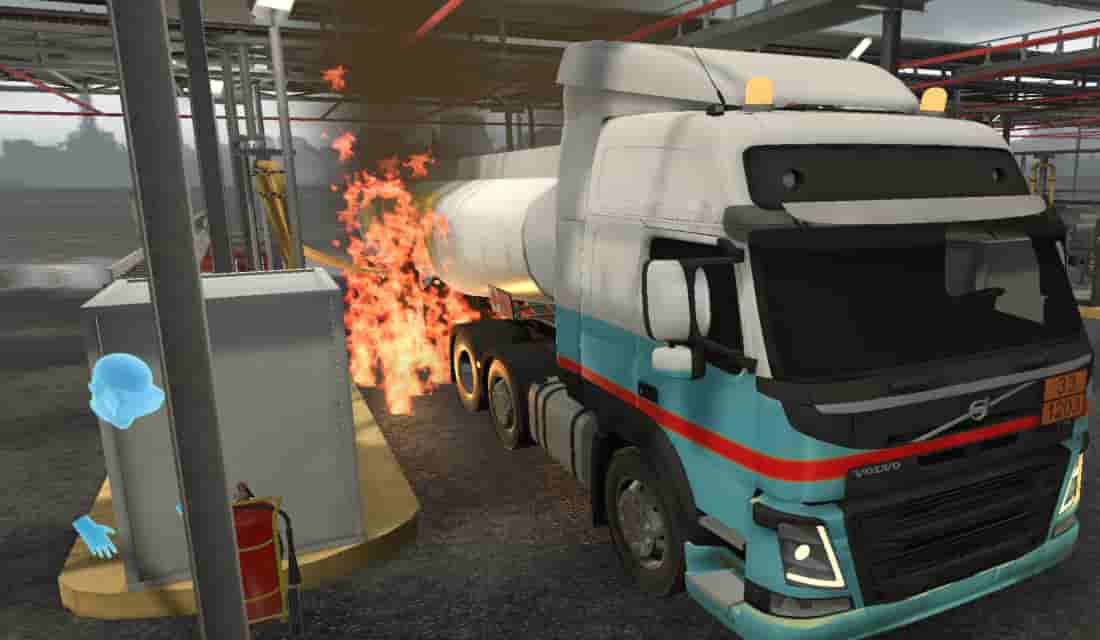
Three main fire sources inside cars are fuel leaks combined with electrical failures and engine overheating. Through VR trainees go through a realistic training simulation which leads them to pull the vehicle over immediately then move passengers to safety while evaluating their ability to fight the fire. Trainees learn both the significance of fire extinguishers for their vehicles and proper emergency service telephony protocols.


5. High-Rise Building Fire

Fires that occur in skyscraper buildings create dangerous situations because of their elevated height combined with intricate escape route designs. The VR training technology creates a burning high-rise simulation which requires individuals to search for exit stairwells and stay near the floor to prevent smoke inhalation and help other people evacuate. Through the simulation students recognize vertical fire propagation mechanics as well as the necessity of fireproof doors and stairwells.


6. Hospital Fire Emergency

Evacuation activities at hospitals prove difficult since some patients require assistance to leave independently. The virtual reality training system equips healthcare personnel to deal with fire emergencies in intensive care units and operating rooms and patient wards. The medical staff receives training on how to operate oxygen shut-off valves to stop explosions while performing bedridden patient evacuations under the supervision of firefighters.


7. Aircraft Fire on the Tarmac

Effective response to aircraft fires demands fast decision-making together with accurate execution of security regulations. The application of virtual reality technology creates authentic training conditions for aviation professionals to deal with tarmac engine blazes together with onboard cabin fires. Flight and ground crew use training opportunities to practice using cabin fire extinguishers and lead passengers to emergency exits while creating a smooth coordination with airport fire teams to avoid fire spread.


8. Refinery and Oil Rig Fires

Refineries together with offshore oil rigs present the most dangerous fire risks based on their combination of inflammable fluids and gases. Virtual reality simulation systems let workers experience high-risk locations where they learn to detect preliminary gas leak indicators as well as execute emergency shutdown protocols. Refinery personnel discover the proper procedures for implementing specialized foam along with gas suppression systems for controlling major fires.


9. Forest Fire Outbreak

Wildfires spread with high speed at accelerating rates thus firefighting teams have limited time for containment. Virtual reality training provides firefighters with a virtual experience of forest fire management which requires them to gauge wind patterns while building containment barriers and effectively executing water or retardant deployment. Firefighters learn joint operations with both ground personnel and airborne firefighting teams for controlling fires.


10. Underground Tunnel Fire

Emergency responders confront exceptional challenges when battling fires in confined places such as subways and tunnels because of restricted ventilation areas. Training through virtual reality gives emergency responders skills to move through smoke-filled tunnels with self-contained breathing apparatus while finding the correct evacuation paths. By running simulations subway staff learns the skills needed to lead passenger evacuations while keeping the crowd calm.

Why VR Fire Training Is More Effective

The execution of conventional fire drills becomes challenging because they create significant disruptions while also being hard to undertake at regular intervals while also being costly. The virtual reality training solution delivers affordable access, endless retrainings and customizable programs to users. Research indicates virtual reality training enables passing rates of 75% for information retention beyond traditional educational techniques.

The safety aspect of virtual reality training results in no danger to performers because accidents are avoided during simulated practice. VR supplies immediate performance data so trainees can see their errors and learn how to correct them right before entering actual emergency situations.

The training scale-up potential of VR enables numerous staff members to learn simultaneously while eliminating the need for physical training spaces. Future advancements in VR technology will upgrade fire safety training methods that will benefit all people in their workspaces and residential environments.


Conclusion

The training scale-up potential of VR enables numerous staff members to learn simultaneously while eliminating the need for physical training spaces. Future advancements in VR technology will upgrade fire safety training methods that will benefit all people in their workspaces and residential environments. To learn more about VR Safety Trainings in Refineries, check out this blog: “VR Safety Trainings in Refineries: Helping Reduce Errors.”
 

How VR Training Helps First Responders Stay Prepared

VR Training Simulations

In high-stakes emergencies, every second counts. First responders composing firefighters paramedics and law enforcement officers need to prepare themselves for immediate decisive action. Modern instructional techniques which work efficiently fail to duplicate the volatile nature of emergencies in active situations. Virtual Reality (VR) training has become the transformative solution which alters the methods through which first responders prepare for emergencies. Virtual reality exists as an effective and secure training solution because it allows trainees to practice in realistic high-stress scenarios which effectively boosts their abilities and enhances their choices during emergency situations.

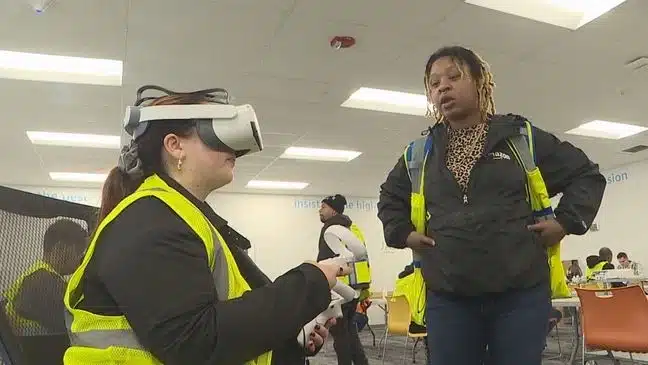
The training systems of virtual reality surpass basic simulations because they activate several senses for an intense realistic experience. First responders can hear emergency alerts while experiencing reality-based smoke and flames and they may engage with simulated victims as well as suspects. Users can experience correct usage of fire extinguishers alongside different types of fires through VR fire extinguisher training in high-pressure situations. The high level of immersion creates a connection which converts classroom learning into practical application so first responders become knowledgeable and psychologically ready for stressful situations.

The Rise of VR in First Responder Training

Recent years have shown a dramatic increase in VR training use as the global VR training market predicts reaching $20 billion by 2030. First responders act as pioneers of this revolution by incorporating VR technology to develop hazardous and intricate scenarios which cannot be duplicated realistically. Virtual reality training provides responders with an immersive experience of hyper-realistic situations instead of traditional formats that incorporate lectures and videos and live exercises.

Why VR Training is a Game-Changer

1. Realistic Simulations Without Real Risk

Through VR technology personnel like firefighters operate inside intense blaze environments while paramedics manage several injured individuals at motor vehicle accidents and police officers react to live shooting situations. The training simulators reproduce emergency conditions in which students discover heat stress alongside chaotic confused conditions.

Training through virtual reality features safe repetitive training opportunities that traditional drills cannot provide alongside their financial and safety costs. The training environment enables responders to learn from mistakes as well as develop their skills with no immediate impact on vital operations.

2. Enhancing Decision-Making Under Pressure

Emergency scenarios require urgent choices which determine whether someone survives or perishes. VR training platforms develop critical thinking abilities because they subject first responders to time-sensitive emergency situations which require immediate responsive action. Research has established that VR-based training boosts retention rates to 75% higher than traditional teaching techniques thus first responders will remember essential skills better during critical moments.

In mass casualty cases paramedics need to manage patient procedures through the implemented triage system. Through dynamic simulation environments responders can develop their judgment skills and operational efficiency during decision making practice sessions.

3. Cost-Effective and Scalable Training

Classical training procedures involving real gun ranges and emergency response simulations need considerable funding to purchase equipment and secure suitable training places. The implementation of VR training solutions removes almost every expense associated with traditional training exercises. Multiple uses of developed VR platforms become possible after development thereby creating an ideal economic solution for limited-budgeted organizations.

Additionally, VR training is scalable. Any department with five trainees to 500 trainees can deploy VR programs without obstacles to deliver standardized and harmonized training to each trainee cohort.


Real-World Applications of VR Training

Applications of VR training

Firefighters: Battling Blazes Without the Heat

Public fire departments across the world have started using virtual reality technology for preparing their personnel about fire dynamics and rescue procedures and hazardous material responses. Firefighters at the FDNY experience VR-based training at the New York City Fire Department which allows their recruits to develop skills navigating through buildings with smoke while performing rescue operations at no risk of exposure to actual fires.

Paramedics: Perfecting Life-Saving Techniques

Medical emergencies generate unanticipated chaos during their occurrences. Training paramedic professionals through VR allows them to practice essential procedures like CPR, airway management and trauma care in conditions resembling urgent danger. Medical professionals who learned through VR-based methods demonstrated higher speed and accuracy in their procedural skills compared to trainees who used traditional training methods.

Police Officers: De-escalation and Crisis Management

Law enforcement agencies are using VR to train officers in de-escalation techniques, active shooter scenarios, and hostage negotiations. The ability to repeatedly practice these high-stress encounters in a VR setting helps officers develop better judgment, composure, and response strategies when facing real-life incidents.

The Future of VR Training for First Responders

Virtual reality technology shows continuous improvement which will enhance the effects of first responder training. Artificial intelligence (AI) and haptic feedback systems have led to improved simulations which provide trainees with real-life physical responses including heat sensations and resistance effects and the sense of impact. Cloud-based VR training platforms deliver remote training capabilities to departments so their staff can receive excellent instruction regardless of their geographical location.

VR systems linked with biometric data can track trainee heart rate along with stress levels and cognitive load which provides tailored performance feedback for better results.


Conclusion

Providing emergency preparedness represents the decisive factor in rescue operations. First responders now utilize Virtual Reality training to obtain realistic immersive cost-effective solutions for their skill development. This virtual reality technology allows both firefighters and paramedics and police officers to handle crises by providing them with essential experience followed by self-assurance to save lives.

The main issue revolves around the speed of universal adoption for VR training rather than its ultimate adoption status. First responder training has established virtual technology as the future operational standard that shows no signs of disappearing.

How to Implement VR Fire Training in Your Organization

VR Fire training

Traditional fire drills fall short in preparing employees for real-life emergencies during fire safety training sessions that constitute vital workplace safety components. Modern organizations are revolutionizing their fire safety methods through VR fire extinguisher training systems that offer authentic hands-on training experiences. This guide demonstrates how your organization can establish VR fire training to achieve better workplace safety while boosting participation and following fire safety standards.

Why Choose VR Fire Training?


standards. Before diving into implementation, it’s essential to understand the benefits of VR fire training and why it’s becoming the preferred choice for many organizations.

1. Realitic & Immersive Experience: The virtual reality fire training exposes workers to virtual fire emergencies that enable them to practice critical choices in a controlled hazard-filled context. The hands-on training enhances learning efficiency as well readiness levels more effectively than traditional teahing approaches.

2. Safe & Cost-Effective: The implementation of live fire drills demands significant expenses together with substantial logistical arrangements. The benefit of VR implies employees gain fire safety training while using virtual resources eliminating the requirement for real-world safety hazards during training.

3. Increased Engagement & Knowledge Retention: Multiple studies reveal that VR delivery of training achieves better student retention alongside increased commitment from learners. Virtual environments allow employees to retain crucial fire safety protocols better because they experience training through active participation.

4. Complaince & Standardization: Most industries require meeting specific fire safety standards. Through virtual reality training all staff members obtain identical training while following the standards set by their industry and professional guidelines.

Steps to Implement VR Fire Training in Your Organization

Now that you understand the benefits, let’s dive into the steps to successfully implement VR fire training in your organization.

Step 1: Assess Your Organization’s Fire Safety Needs

Organizations must perform a detailed evaluation of their fire safety hazards prior to starting VR fire training programs. Consider:

Assess the different fire hazards which exist at your workplace

The total number of personnel needing training instruction falls under this category.

Industry-specific fire safety regulations

Study all previous cases of fire incidents together with previous training learnings

The completed assessment enables you to customize the VR training program for your organization.

Step 2: Choose the Right VR Fire Training Software

The selection process for an appropriate virtual reality fire training solution directly impacts training success rate. Various software solutions require multiple factors as selection criteria.

 
A virtual reality system should recreate realistic fire situations by duplicating artificial smoke and noise effects and route-based emergency route guidelines along with fire movements through spaces.

The fire safety system must enable staff to use fire extinguishers and locate emergency exits and active decision-making in real-time simulation.

The flexible programming feature must exist within the software to enable users to change scenarios as per their workplace requirements.

The analytic system allows performance tracking for employees by monitoring their successful outcomes as well as their weaker points. 


Step 3: Invest in the Right VR Equipment

High-quality virtual reality delivery depends on selecting adequate hardware components. Consider the following options:

Itty Bitty offers three corporate training headsets for selection: Oculus Quest, HTC Vive, along with Pico devices.

Several VR training programs need motion-tracking devices such as sensors and controllers to create interactive motion-based experiences.

The installed VR software demands specific requirements which may force users to procure expensive high-performance computing systems to operate the training effectively.

VR training can still be implemented by using equipment rental services combined with mobile-based VR platforms that operate on smartphones.


Step 4: Develop a VR Training Curriculum

Design a detailed educational training system after obtaining your programs with equipment. Your program should cover:

Basic Fire Safety Knowledge: Understanding fire classes, extinguisher types, and fire prevention strategies.

Emergency Response Protocols contain both procedures regarding actions to take following a fire alarm activation as well as instructions on safe building evacuation and emergency communication methods.

Wearable Virtual Reality experience enables employees to face fire threats followed by fire extinguisher practice and emergency evacuation exercises. 


Step 5: Conduct a Pilot Training Session

A small team of employees should participate in a preliminary VR fire training session before it becomes a company-wide program. This allows you to:

Assess the usability together with effectiveness through user feedback

Identify technical or logistical challenges

The organization will make essential modifications to the system before launching the final implementation.


Overcoming common challenges in VR Fire Training Implementation

Organizations will face implementation challenges when implementing their VR fire training system although it presents numerous advantages to the program. Organizations face the significant obstacle of high expenses related to acquiring VR technology equipment. 

Organizations seeking to reduce expenses should acquire a small number of VR headsets first before growing their headset inventory progressively. Deploying mobile VR solutions with minimal hardware requirements as well as using VR-as-a-Service providers serves to minimize organizational expenses.

The unwillingness of employees to adopt novel technology remains a challenge because they lack familiarity with Virtual Reality systems. The adoption of VR training benefits can be improved through focused education about VR systems and on-site support combined with presentations showcasing VR advantages to users. 

Programmed introductory classes let workers develop ease while using new technology.

Technical problems that generate bugs alongside software incompatibilities alongside VR motion sickness affect how well training executes. Accomplishing acceptable risk reduction requires organizations to examine both hardware and software before implementation. 

Training programs with alternative methods are available to support employees who experience negative effects from VR motion while IT technicians must be present to resolve immediate technical problems during sessions.

Final Thoughts

The adoption of virtual reality fire training by your organization creates major positive changes for workplace safety. The system increases staff readiness while improving their participation levels and represents a safer replacement for classic fire practice exercises. The combination of proper steps described earlier helps you develop an effective fire safety training program which simultaneously safeguards both your workplace and workers.

Your organization needs improved fire safety education to reach the following level of performance. Put VR solutions into practice right now to transform the effectiveness of fire training systems.

You can check out this blog to learn more about “VR Safety Trainings in Refineries: Helping Reduce Errors.”

How VR Fire Training Reduces Workplace Accidents

Virtual reality for safety training

The occurrence of fires at workplaces represents an important threat to personnel along with operations within businesses. The National Fire Protection Association (NFPA) reports workplace fires generate both substantial property losses and multiple hand deaths yearly. While fire drills and instructional videos offer value they normally deliver limited firsthand training experience alongside insufficient realistic simulation. Virtual Reality (VR) creates transformative changes through its implementation.

The implementation of VR fire extinguisher training provides employees with a safer method to face realistic fire emergency situations in a protected training zone. Working with Virtual Reality enables the reduction of workplace accidents through its enhancing of both employee response speeds and their decision capabilities alongside their heightened awareness. This article investigates the technological revolution which affects fire safety education practices. 


The Need for Effective Fire Training in Workplaces

Multiple reasons behind staffroom fires originate from faulty electricity systems alongside dangerous substances and employee mistakes. Employing workplace fire safety training because of OSHA regulations faces hurdles from traditional teaching methods as defined by OSHA.

Most industrial workers learn about fire safety through passive educational programs consisting of video watchings and classroom lessons.

Workers only experience true fire emergencies after their natural occurrence which causes panic that diminishes their ability to make sound decisions.

The organization of authentic fire emergencies in workplaces leads to several unpredictable obstacles and costly challenges which impact their training capacities.

Forty percent of employees fail to prepare adequately according to the 2023 report by the Fire Protection Research Foundation. The lack of preparedness in workplaces led VR fire training systems to develop simulation scenarios which enhance emergency readiness levels.

How VR Fire Training Works

The training system based on virtual reality creates virtual models of real-life fire situations through advanced simulation methods. Users put on VR devices to navigate through a virtual domain with fire hazards. Some key components include:

1. Realistic Fire Scenarios

The simulation program positions workers in scenarios resembling actual emergencies to practice their skills for smoke-filled navigation as well as identification of safe exits and correct fire extinguisher usage. The simulation program Flaim Trainer provides trainees with realistic experiences that include electrical fires and chemical blazes to deliver full-scale training.


2. Interactive Fire Extinguisher Training

Correct use of fire extinguishers remains essential to know. The PASS training method guides users to learn the correct fire extinguishing procedure which consists of Pull, Aim, Squeeze and Sweep movements in a virtual environment.

3. Decision-Making Under Pressure

Virtual reality technology provides trainees with high-stress conditions where they need to respond swiftly. Proper action in fire situations requires trainees to determine whether they will put out the flames first or execute an immediate evacuation. Training through virtual reality results in better abilities for emergency responders to make immediate critical choices.


4. Safe and Controlled Environment

Organizations can let personnel practice indefinitely in virtual reality space since their safety remains protected. The repetitive practice in VR develops employee confidence while making sure they receive proper preparation.

Benefits of VR Fire Training for Workplace Safety

Benefits of VR Fire Training for Workplace Safety

1. Improved Retention and Engagement

Researchers establish that direct learning methods prove better outcomes than standard studying methods. A 2022 PwC report revealed that Virtual Reality students become four times better at information retention than students following traditional classroom methods. The safety procedures learned through Virtual Reality fire training stay stronger in real emergency situations among employees.

2. Faster and More Efficient Training

The traditional approach to fire safety training makes groups schedule collective in-person drills to acquire their training. Through virtual reality training customers can control their learning rate because this method decreases time spent waiting and enhances work productivity.


3. Reduced Workplace Injuries and Fatalities

Virtual reality training results in decreased workplace fire-related injuries because it enhances both emergency response speed and employee fire safety knowledge. According to research by the National Institute for Occupational Safety and Health (NIOSH) organizations using virtual reality safety training experienced a 30% decrease in fire accidents from two years.


4. Cost Savings for Businesses

Property damage and insurance claims alongside reduced productivity become major financial burden when fires occur. Businesses can achieve financial advantages through VR training since it helps avoid expensive workplace incidents despite its initial setup costs.


5. Customizable Training for Different Industries

Professional environments in different sectors need to address specific fire threats. The training system can be adjusted to suit different business sectors including:

Manufacturing: Handling combustible materials and machinery fires.

The evacuation of patients and fire response activities connected to oxygen emergencies represent healthcare roles in fire situations.

Office Environments need proper training for electrical fire management along with effective fire exit procedures.

The sector ensures customer protection during emergencies and manages staff-operated response procedures.

Real-World Applications of VR Fire Training

1. Corporate Safety Programs

Business entities including Walmart and Amazon have added VR fire training modules to their corporate safety programs. Walmart and Amazon among other companies have implemented virtual reality training systems which improve employee safety along with minimizing workplace accidents.

2. Firefighter Training and Public Safety

Fire departments leverage VR technology for their firefighter trainings that replica dangerous situations traditional drills cannot provide. The training method is used in both public safety programs and employee safety initiatives to teach fire prevention methods to civilian and public servants.

3. Government and Military Training

Government agencies and the military are leveraging VR fire training to prepare personnel for hazardous environments, ensuring they can respond effectively in extreme conditions.

Challenges and Considerations

Despite its benefits, VR fire training does come with some challenges:

  • Initial Investment Costs: High-quality VR headsets and software can be expensive, though costs are gradually decreasing.

  • Technical Learning Curve: Employees unfamiliar with VR may require additional instruction before using the system effectively.

  • Hardware Limitations: Some workplaces may lack the necessary infrastructure to support VR training, requiring investment in updated technology.

However, as VR technology continues to advance, these barriers are expected to diminish, making VR fire training more accessible to businesses of all sizes.

Conclusion

Workplace fire emergencies require instant responses as well as clear decision making and decisive confidence from personnel. VR fire training establishes itself as a crucial solution for the shortcomings of established training formats by offering realistic learning environments to learners. VR has demonstrated its value to fire safety preparedness through better retention levels while minimizing injuries and expenses.

The advancement of technology will lead VR fire training to develop into more complex forms and accessible and efficient learning solutions. Companies investing in this progressive method will build better workplace safety combined with safeguarding their assets and employee well-being and business standing.

You can check out this blog to learn more about “VR Safety Trainings in Refineries: Helping Reduce Errors.”


The Role of Virtual Reality in Fire Safety for Oil & Gas Industries

VR in oil and gas industry

The field of workplace safety receives immediate priority because VR technology generates transformative solutions by providing interactive and immersive training that reduces costs. Virtual reality training environments create safe spaces to teach essential security skills which normally require dangerous direct exposures. OSHA training conducted through VR technology adoption by industries creates multiple advantages that include higher organization compliance rates and securely trained workers with reduced accident risks.


To ensure successful implementation of VR-based fire safety training programs you must verify that the system adheres to all OSHA safety guidelines.


 Top leaders among the oil and gas industry actively search for new safety enhancement solutions. VR fire extinguisher training functions as a fundamental instrument to boost preparedness for fire safety protection through safe worker preservation and cost reduction during emergency situations.


The workplace safety standards improvement initiatives have not eliminated the risks which employees face from machines and fires and explosions and falls and chemical harm. VR training installations create safer conditions because they train workers to respond correctly to emergency fires in controlled virtual environments.


Business executives need methods to achieve workplace safety without compromising employee hazard comprehension. The training method of classroom theory exists but VR technology delivers superior performance for effective training programs.


Using VR for oil and gas safety training

Success or failure of projects in the oil and gas sector depends heavily on a team with risk awareness capability. Several companies invest heavily in safeguarding their employees yet organizations acknowledge the need for additional measures to minimize dangerous incidents and death rates.


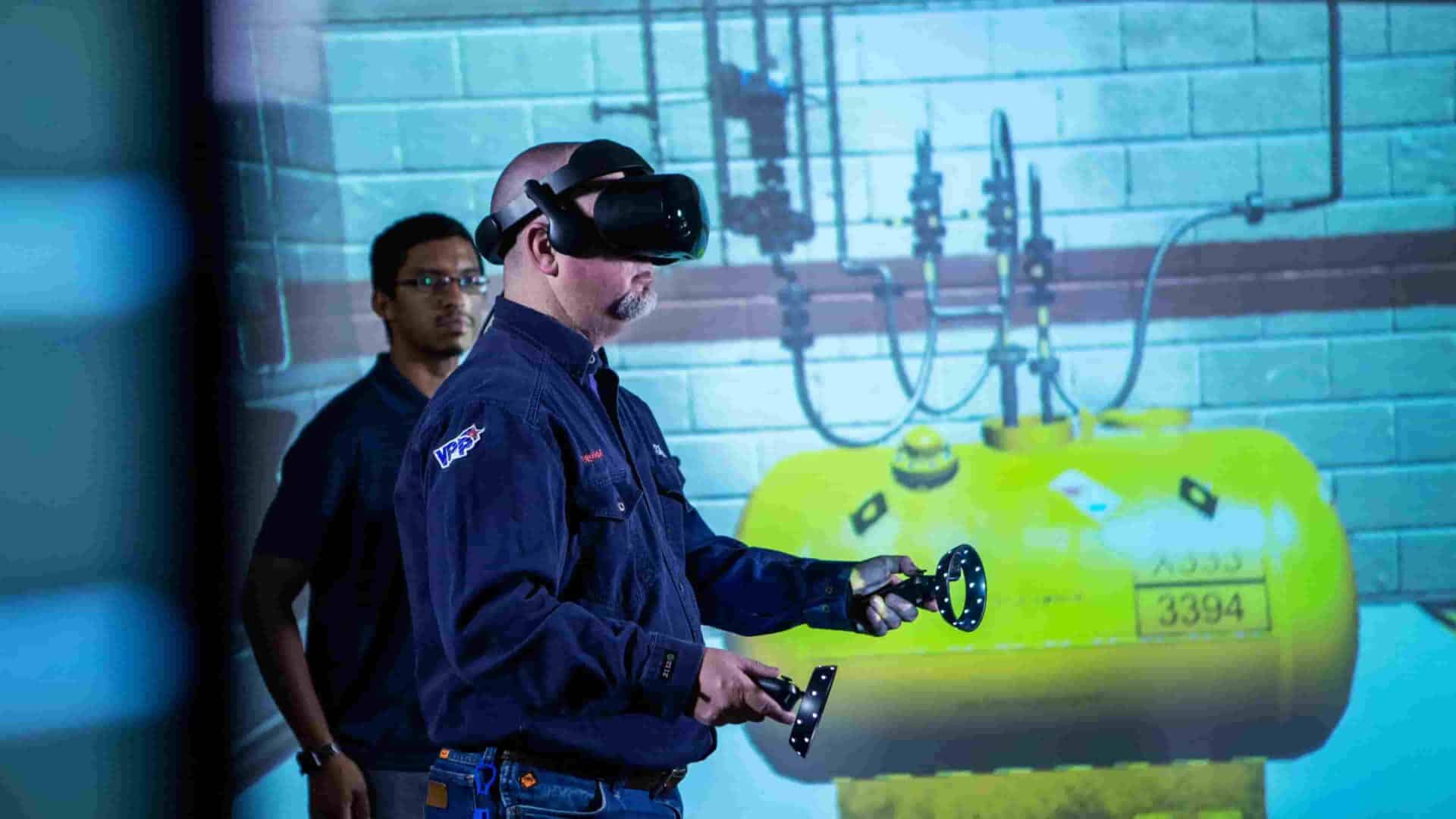
Industry leaders presently integrate virtual reality (VR) into their employee training programs to provide simulated experiences of real situations with no exposure to actual world risks. The training program allows operators to operate complex equipment and simulate emergency responses to gas leaks and oil spills as well as fire hazards. The secure facilities provide training for appropriate incident responses during actual emergencies.


 First-person Virtual Reality modules provide employers with an immersive experience which makes traditional classroom delivery of equal training content redundant. Why would you explain if you already demonstrate to workers through visual examples?


Each oil and gas firm can modify their VR training according to their individual specifications without difficulty.


How VR is transforming the oil and gas industry today

VR in Oil and Gas Industry

The adoption of Virtual Reality in safety instruction programs has dramatically risen throughout the oil and gas operations. Business executives worldwide recognize the numerous advantages of VR safety training which causes its international market expansion.


The ease of accessibility for all personnel makes this technology the main factor behind its adoption by organizations. We need only a headset to access training modules which breaks the requirement for specialized learning center visits.


The whole independent training environment delivers benefits to workers thus research demonstrates better information retention coupled with improved engagement.


Through this approach employers can save money and time since their workers have better capabilities for foreseeing health and safety incidents compared to conventional training methods.

Types of VR Training in Oil and Gas

VR training in the oil and gas industry can be categorized into several types, each focusing on different aspects of employee development and safety.

Onboarding and Orientation:

Virtual reality technology provides new staff members with valuable exposure to their workplace conditions along with organizational rules and protective guidelines. New hires who virtually explore facilities and work through simulated tasks through VR experience accelerated role adjustment which cuts down traditional onboarding expenses as well as duration.

Skill-Specific Training:

 The practice of welding and pipe fitting and equipment operation falls under VR simulation targets. Worker training through virtual methods allows employees to develop proficiency along with phyiscal ability retention without the risk or costs associated with traditional classroom practice.

According to PwC research in 2022 virtual reality learners completed their training programs much faster than traditional classroom students with 275% better performace results. The study proved that virtual reality achieves both acceleration of learning new abilities and elevation of employee self-assurance.

Safety and Emergency Response

The capability of virtual reality serves as an effective instrument to train workers in safety protocols and emergency response procedures. Virtual Reality technology enables trainees to experience high-risk operations including confined space entry and working at heights whereas they develop safety protocols and learn to identify critical situations properly.

The oil and gas training sector gets transformed by virtual reality education which delivers secure and economical staff development alongside high effectiveness for learning programs. The evolution of technology will create an essential operational framework for organizations that want to enhance their training programs and build safer expert staff with wider accessibility of such technology to businesses. 

You can check out this blog to learn more about “VR Safety Trainings in Refineries: Helping Reduce Errors.”