6 Reasons Why Company Should Use VR in marketing

Virtual reality has arrived and is quickly gaining popularity, so it is no longer the stuff of science fiction. Virtual reality is growing steadily and is projected to reach a market size of more than USD 28 billion in 2022. Over the next 10 years, it is forecast to develop at a 15% compound annual growth rate (2022 to 2030).

Even if virtual reality isn’t a brand-new innovation, its use is anticipated to increase throughout time, along with that of other digital innovations like augmented reality. According to PricewaterhouseCoopers, VR and AR have the potential to increase the global GDP to USD 1.5 trillion by 2030.

Such technologies are being adopted by more companies in a variety of industries for employee training, the testing of new or current processes, and the development of new goods.
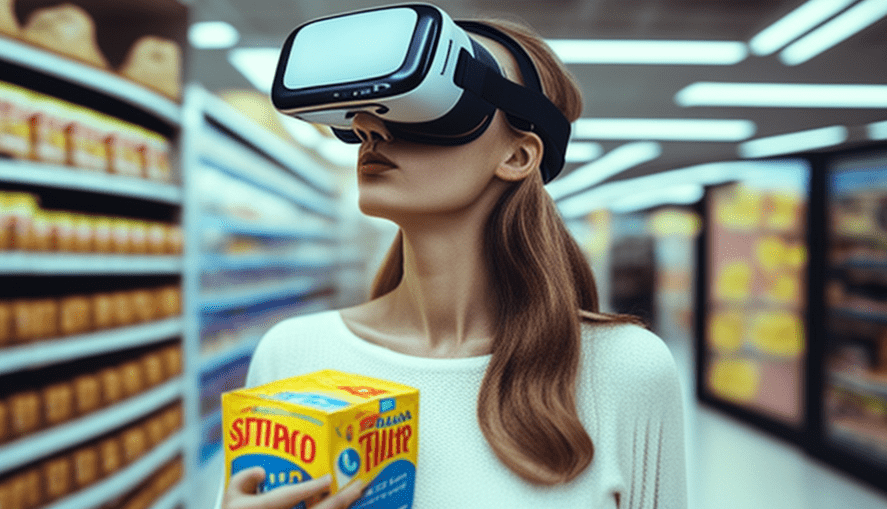
Girl Using Virtual Reality headset

What Is VR Marketing?

The use of virtual reality technology in marketing initiatives is known as virtual reality marketing. It can be utilised to engage your audience more effectively and connect with them. For instance, customers can interact with a virtual character rather than reading text on the screen.

Virtual reality marketing has significant opportunities for organisations to promote their brands, boost sales, and increase consumer loyalty and retention. It is branded together as immersive media along with augmented reality.


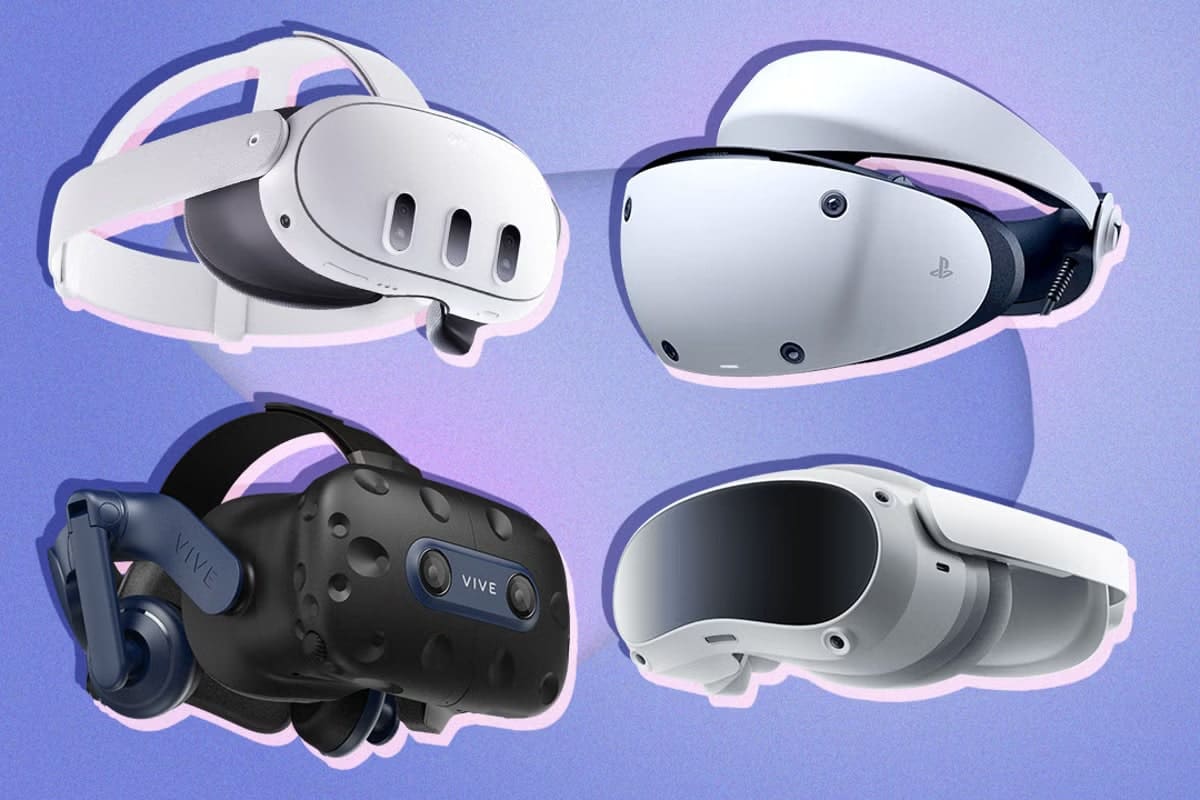
Using VR headgear or programs, users can access a realistic, immersive simulation of an environment that engages many senses. VR can be used, for instance, to apply a filter on a picture or a video. Consider the filters on Instagram and Snapchat. In the meanwhile, users with VR headsets can “transfer” to a 3D virtual setting, improving the simulation’s experience. The user can gaze around in the virtual environment (360-degree view) and interact with the various digital components of the simulation since the headgear reacts to their movements.

Marketing Opportunities With VR

Virtual reality marketing can assist marketers in creating compelling campaigns that effectively convey your brand’s story and your products or services.

Through VR, you may demonstrate both the development of new items and the use of already-existing ones. This gives customers a closer look into how you create your products, which might help you gain useful customer feedback . Emotional involvement can be increased through virtual marketing.

Also, the arrival of VR heralds the development of more intuitive and immersive content as well as better content marketing tactics. By enabling consumers to virtually try on things before buying them, VR allows marketers to reimagine how they deliver experiences.

The real estate sector is one of the most well-liked real-world applications of virtual reality. The use of virtual tours by businesses and brokers allows customers to virtually visit a house, look around, and get a sense of how it might be to live there. VR can also be used to exhibit a home that is still under construction, giving potential buyers a preview of what it might look like once it is finished and equipped.

Virtual real estate is another way that VR is advancing into the metaverse. Platforms for the metaverse like Sandbox and Decentraland let consumers buy virtual goods and gain early access to the metaverse.

Most people are awaiting Virtual Reality; I'm awaiting virtuous reality.

1. VR Helps Businesses Grow

Limitless chances for promotion are presented by virtual reality, which enables businesses to connect with and reach out to their potential customers beyond traditional media like TV and magazine commercials.

Virtual reality technology, or the newest technologies in general, can assist close the gap and give brands the ability to address their consumers’ shifting pain points because customers’ demands and expectations are continuously changing.Businesses can build branded digital environments to demonstrate their goods or services using virtual reality marketing. Instead of actual experiences, brands may provide digital ones. This enables customers to virtually test-drive a product or service in the convenience of their own homes. You’re enabling customers to interact by creating a realistic digital environment.

2. VR to tell your story

You may utilize VR to develop fresh experiences that give customers a fresh perspective on your business. For instance, you may utilize virtual reality to give customers a tour of your facilities and give them an exclusive, up-close look at what happens behind the scenes. You may demonstrate how you operate or what happens throughout the creation of a design or product. This adds a more human element to your brand and what you do while fostering trust and transparency, which can increase customer brand loyalty.

3. More memorable experiences

Customers may more easily visualise your items and how they can improve their lives using virtual reality. Customers can access a digital environment you’ve created using VR rather than just looking at samples, giving you the opportunity to illustrate what you have to offer in real time and how it might be a solution to their problems.

4. Enjoyable advertising

Conventional advertising can quickly become monotonous. They don’t produce memorable experiences, and some advertisements, like pop-ups, may even turn away potential buyers because they feel spammy.

5. Your products in a new light

When used properly, virtual reality is a powerful technology that can produce tangible effects. Businesses can use it to differentiate themselves from the competition and stay on the cutting edge of new developments. Businesses may stay current in light of recent technology advancements by adopting VR early.

Only when we aren't scared of the big "what if?" and embrace the moonshot thinking required to work in VR will we be able to help move this medium forward to its full potential.

6. Implementing ‘pehle istemaal kare fir vishwas kare’

Users can decide more wisely if they may try on a thing before buying it. Businesses are embracing virtual reality to let customers try on clothes, makeup, accessories, and even furniture without physically visiting a store.

Walmart offers online clothing shoppers a virtual try-on experience that is powered by AI. This tool creates a simulation to help customers visualize how garments might appear on them using AI technology such as real-time image processing and deep learning. Customers can virtually try on several Walmart clothing options by choosing a model that closely matches their height and size.

Virtual reality is like dreaming with your eyes open.

Conclusion.

It’s not just for games and pleasure to use virtual reality. It is a potent and adaptable instrument that has entered the marketing sector. Virtual reality is already being used by early adopters to give novel content promotion strategies, enabling them to produce interesting and memorable material for their consumers. Although we haven’t yet realized its full potential, the ways in which various businesses and sectors are already utilizing virtual reality can give us a sneak peek at what this cutting-edge technology is capable of.

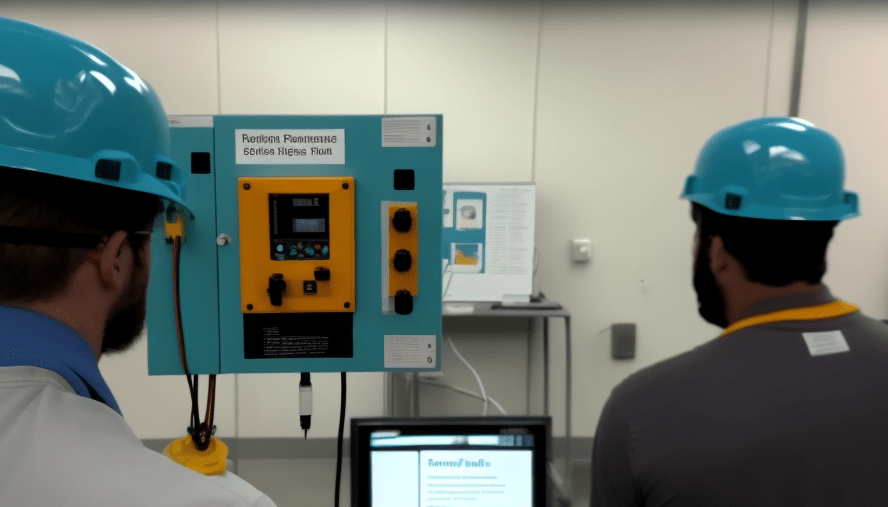
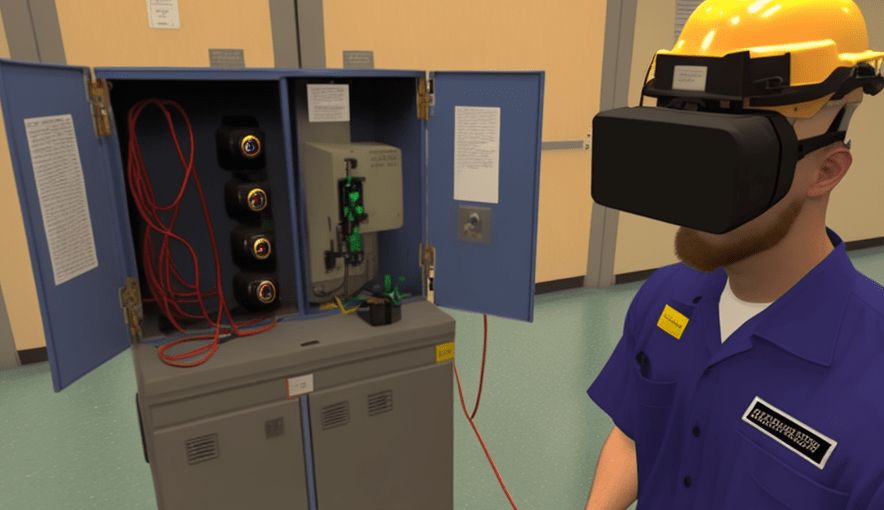
VR in Electrical Safety Training

VR in Electrical Safety Training

One of the most important fields where safe behavior is extremely important is electrical safety. While operating tasks involving electrical infrastructure and equipment, human mistake is possible, and the results can be extremely serious and frequently permanent. This could result in a fatality or extremely serious, life-altering trauma.

Despite technological advancements in intrinsic safety devices, a lot depends on using caution when handling electricity and acting in a safe manner. Minimizing human error is essential for ensuring safe results.

How VR has changed the entire industry?

In the area of technical instruction, virtual reality technology has completely changed the game. Training in virtual reality is four times faster and more concentrated than in a traditional classroom. Also, it increases learner engagement, emotional connection, and confidence in the abilities they have acquired through VR.

When it comes to offering training on handling risky systems and jobs, virtual reality training is more efficient. With the use of this technology, an immersive world may be created digitally, enabling users to freely move and carry out tasks that eventually promote learning, comprehension, and competency.

All of this is accomplished using virtual reality (VR) in electrical safety, distant from a motor control center or on top of a high voltage transformer and in the comparatively safe environment of an office.

Crucial to science education is hands-on involvement: showing, not just telling; real experiments and field trips and not just ‘virtual reality.’

Why Implementation of VR in electrical safety training is crucial?

VR is crucial in electrical safety training

he implementation of VR safety training is also its most important component. Although there may be pre-packaged training programs for electrical safety, it is advisable to review the training requirements of your business before choosing a program. There are many developers who would be willing to assist, buoyed by the success of VR in the gaming sector.

Selecting solution providers with both VR technological knowledge and relevant industry or domain experience is crucial for delivering specialized VR safety solutions.

These businesses employ subject matter specialists who are aware of the problems and create use cases that will be more useful in guaranteeing the safety of persons and property.

Types of equipment required in this training:-

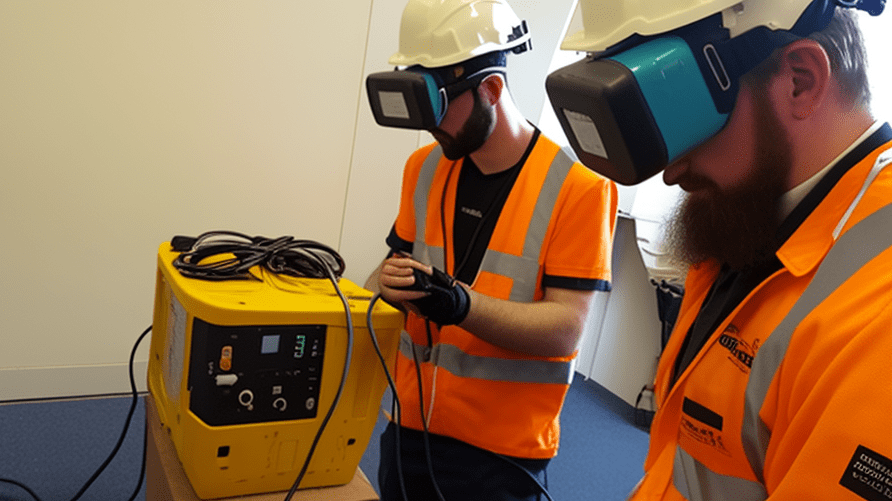
People using Virtual Reality in Electrical safety

The safe handling of electrical equipment and arc flash safety are the two main focuses of electrical safety. Also, it’s critical to comprehend and demonstrate expertise with regard to OSHA laws, applicable NFPA codes, and national electric code requirements.

The virtual reality setting could be an exact replica of the company’s current or future facility. When the student first enters this VR environment, for instance, the sub-station, a guided voice-over walkthrough systematically informs on all the relevant information and abilities.

Virtual reality is the 'ultimate empathy machine.' These experiences are more than documentaries. They're opportunities to walk a mile in someone else's shoes.

Quizzes, exercises, and challenges are incorporated into the training to help the trainee retain the information. Feedback from testing and evaluation can be given to strengthening weak points and ultimately earn certification.

Since the Virtual environment has been created to be an exact replica of the current facility, the skills taught there can be tested and updated there.

The tremendous advantages of VR in electrical safety instruction are found in this. Due to logistical, financial, and safety issues, real-world training may not always be able to provide the competence and confidence that VR training does, but it still delivers the precise information that is typically acquired in a real-world setting.

To fully comprehend these needs and enable an organized design and implementation process for your company’s electrical safety training program, you must engage a capable VR training solutions supplier.

The electrical services sector, as well as the general public who must live and work in this setting, have long prioritized electricity and the inherent dangers connected with its use in the built environment.

How Virtual reality has an edge in this industry?

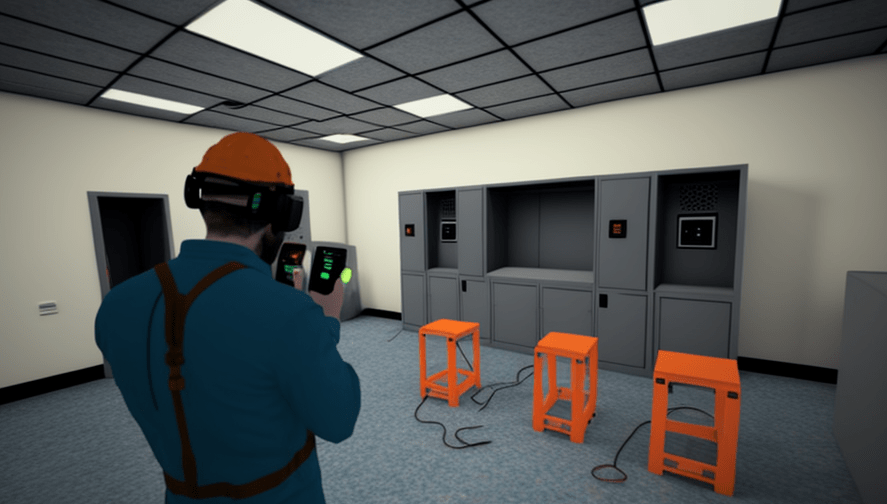
Electrical VR

Virtual reality has the advantage of being equipment and user-safe by nature. Also, it gives the user the chance to experience a variety of situations and circumstances that either happens rarely or pose a risk to repeat.

In order to improve electrical safety and design in the built environment, this study provides a prototype desktop virtual reality model.

The provided model has the potential to serve as a virtual electrical safety manual for the general public, a design tool for industry, or an educational tool for third-level students. Together with the applications created within the virtual reality model, a summary of the model’s development is provided.

Virtual reality’s potential is underlined, and prospective directions for future development are noted.

Based on the creation of this prototype model, there seems to be enough evidence to conclude that virtual reality could improve electrical safety and design in the built environment as well as advance training techniques for electrical services engineers and electricians.

Conclusion:-

The majority of seasoned electrical workers are aware that when it comes to electrical safety training, prevention is always preferable to treatment. Not only is virtual reality safety training efficient, but it also lowers expenses and increases worker output.

The key to long-term success is to develop safe behaviors, recognize risky situations, and illustrate safe work practices through an efficient VR training program.

10 Applications for VR in Construction 2025 (Videos)

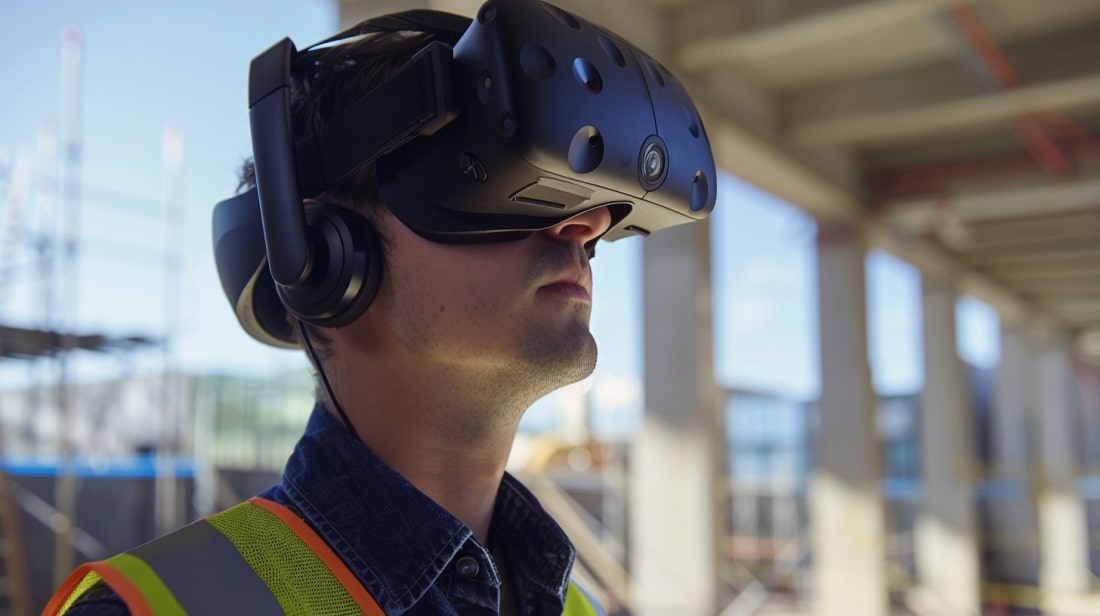
Virtual Reality in construction
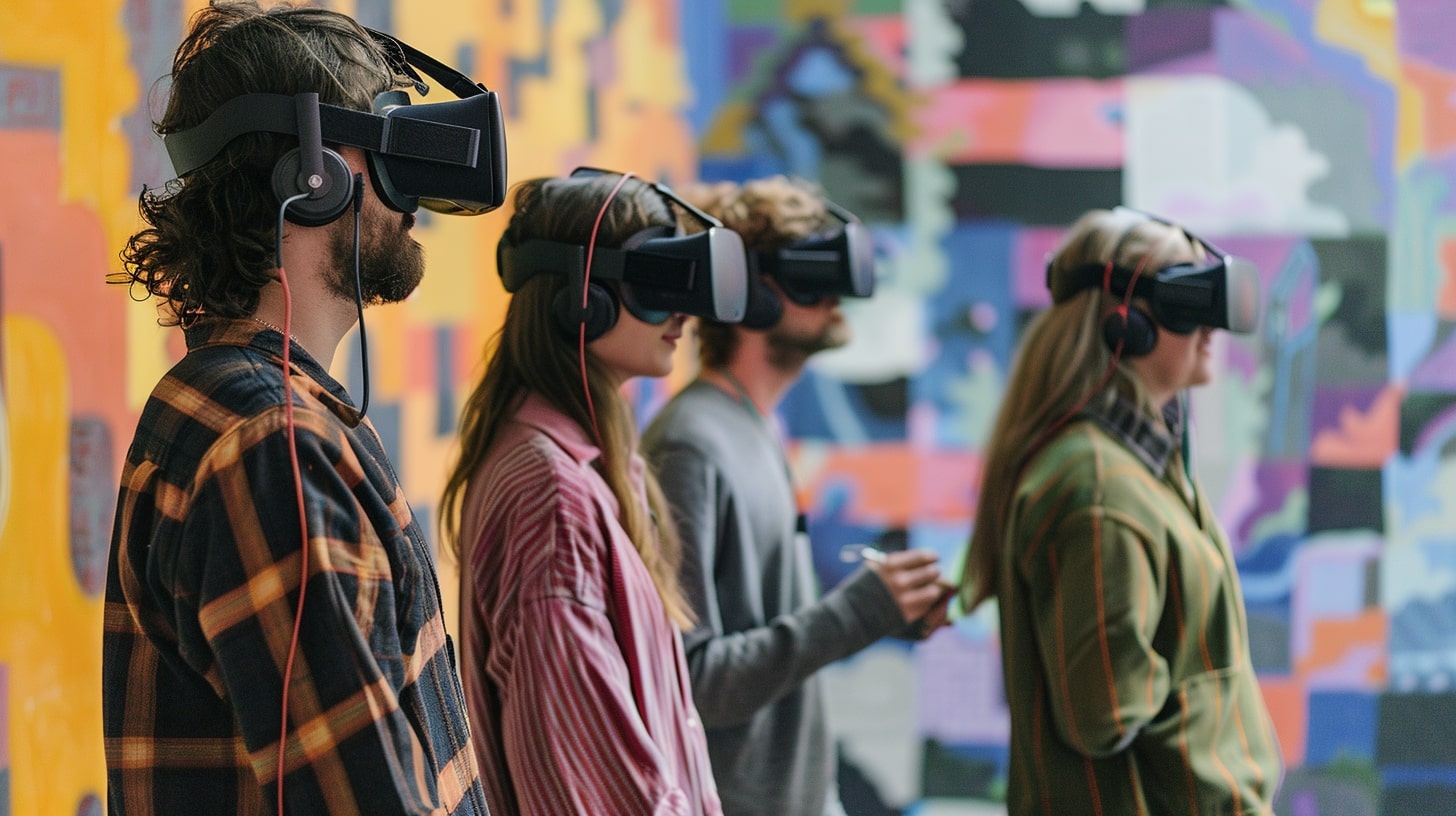
Multiple People using VR headset

Why Virtual Reality in Construction Isn't Just Sci-Fi Anymore?

It’s kind of funny to think about how Virtual Reality, a concept that once felt like pure science fiction, is now laying the groundwork for real-world buildings. I still remember the first time I put on a VR headset at a tech expo; it was mostly about gaming then, but wow, has it come a long way!

From Gaming Rooms to Construction Sites:

Last summer, I had a chat with a construction project manager, Mike, who couldn’t stop talking about how VR has changed the game for his projects. He showed me through a headset exactly what he meant: You could literally walk through a building that hadn’t been built yet. 

You could turn around corners, inspect staircases, and even look out of windows—all before the foundation was even laid. It’s not every day you see something that blows your mind, but this was one of those moments.

The Real Impacts:

What’s really impressive is not just how VR lets you walk through unbuilt buildings, but also how it helps in making those buildings safer and more efficient. 

Mike explained that with VR, they can simulate emergency situations and design buildings with better safety features. Plus, it cuts down on costly mistakes. Imagine finding out that a planned staircase clashes with a load-bearing wall without having to waste materials or, worse, compromise the building’s integrity!

Understanding VR in Construction: The Essentials

1. What's VR Anyway?

Remember when VR was just a cool feature you’d find at an arcade or something you’d read about in sci-fi novels? 

 Well, it’s gotten a whole lot more practical since then, especially in the construction industry. At its core, VR is all about creating a computer-generated environment that you can interact with as if you were there in real life. 

You wear a headset, and suddenly, you’re walking through a digitally constructed building that hasn’t even been built yet.

Table of Contents

Exploring the Game-Changing Applications of VR in Construction

1. BIM Review

You might wonder, “Why go through all this trouble?” 

Imagine catching a design flaw early in the process, before it’s a costly, concrete mistake. Or think about showing a client a choice of designs in real-time, swapping out finishes and fixtures at the touch of a button. 

Twin Reality lets you do all this and more using TwinBIM AR. It’s about testing, exploring, and perfecting in a way that traditional blueprints and even digital 3D models can’t match.

2. Training Without the Risk

VR isn’t just about pretty pictures; it’s a vital tool for safety training. With VR simulations, workers can experience hazardous scenarios in a controlled environment. 

Think about practicing the protocol for a high-rise fire or navigating through structural collapses without the real-world risk. 

These training sessions aren’t just safer; they’re repeatable and can be updated with the latest safety standards, ensuring that the crew is well-prepared for anything.

3. Collaborative Planning and Clash Detection

VR takes the guesswork out of interpreting complex blueprints and models. Teams can collaboratively explore and manipulate 3D models of their projects, identifying and resolving clashes between mechanical, electrical, and plumbing systems before they become expensive fixes. 

This kind of collaboration can drastically cut down on communication errors and streamline the planning process, making sure everyone is on the same page.

4. Enhanced Client Presentations and Approvals

Gone are the days of flat floor plans and small model kits. With VR, clients can truly visualize and interact with the design in full scale, making it easier for them to provide feedback and approvals. 

It’s a powerful way to involve clients in the design process, ensuring their satisfaction and reducing costly changes once construction has begun.

5. Remote Site Access

Sometimes stakeholders can’t be on-site as often as they might like. VR can bring the site to them. 

By wearing VR headsets, they can take a tour of the construction site remotely, inspecting progress and making decisions without ever having to travel. 

This not only saves time but also keeps the project moving forward smoothly.

6. Pre-construction Visualization for Marketing

Before the first stone is laid, you can start marketing your project with VR. 

Real estate developers can offer potential buyers a virtual tour of their future homes or offices, complete with customizable options for finishes and layouts. 

This not only boosts pre-sales but also builds excitement and confidence among buyers.

7. Simulating Real-World Conditions

What will the acoustic be like in the new auditorium? 

How will the late afternoon sun affect the temperature in the summer? VR can simulate environmental factors and real-world conditions, allowing engineers and designers to optimize buildings according to how they will be used in different seasons and times of day.

8. Virtual Prototyping of Building Materials

VR enables the prototyping of building materials and structures within a virtual environment. 

Test different materials and structural designs under various conditions to see how they hold up. This can lead to innovations in materials and building techniques that might have been too costly or risky to trial in the real world.

9. Equipment and Maintenance Training

Not only can VR help in building structures, but it can also be an invaluable tool in maintaining them. 

VR simulations can train maintenance staff on complex systems within a building, from HVAC to electrical grids, all without disrupting the actual systems or placing staff at risk.

10. Disaster Preparedness and Emergency Evacuation Drills

Finally, VR can play a crucial role in preparing for emergencies. 

Virtual reality drills for disaster preparedness, like earthquake or flood scenarios, can provide invaluable practice for building occupants, potentially saving lives during actual events.

Unpacking the Real Benefits of VR in Construction

1. Say Goodbye to Costly Mistakes

Imagine this: you’re halfway through building a new shopping center, and you realize that the electrical conduits clash with the plumbing. 

It’s a nightmare scenario, right? Well, VR can save you from such expensive headaches. By allowing you to visualize and interact with every aspect of your project in a virtual environment, VR helps identify potential problems before they manifest in reality, slashing unnecessary costs and delays.

2. Boosting Project Efficiency

Time is money, especially on a construction site. With VR, project teams don’t just plan their work better; they execute it with precision you’d typically expect from a Swiss watch. 

By streamlining the design, review, and approval processes, VR cuts down on the back-and-forth that usually clogs up a project’s arteries. Everything from initial designs to final tweaks can be handled faster and more efficiently.

3. Enhancing Safety Training

Construction sites can be dangerous, but VR is changing the safety game. It offers a risk-free platform for training workers in a realistic 3D environment, where they can learn to handle hazardous situations without the actual risk. 

Whether it’s navigating through virtual high-rises or practicing emergency procedures, VR training means workers are better prepared, and fewer accidents happen.

4. Improving Quality Control

Quality in construction isn’t just about adhering to standards—it’s about exceeding them. 

VR’s detailed visualizations allow for meticulous inspection of materials, structures, and finishes. This capability ensures that every element of a project is executed to perfection, meeting both the regulatory standards and the high expectations of clients.

5. Revolutionizing Client Interactions

Ever tried to explain a complex design detail over a flat blueprint? It can be frustrating. 

VR offers a dynamic and interactive way for clients to explore their projects, leading to quicker decisions and approvals. Plus, when clients can experiment with design changes in real-time, satisfaction soars, and trust builds. This means fewer changes during construction, which translates to lower costs and happier clients.

6. Expanding Marketing Potential

VR isn’t just a tool for building—it’s also a powerhouse for selling. 

Developers can market properties more effectively by offering potential buyers a virtual tour of their future homes or offices. This immersive experience can captivate buyers and spur sales long before the real construction completes.

7. Facilitating Remote Collaboration

In today’s globalized world, the key project stakeholders might be continents apart. 

VR bridges this gap beautifully. Remote teams can collaborate seamlessly, inspecting project progress virtually and making decisions without needing to be physically present. 

This not only speeds up the construction process but also saves on travel costs and reduces the project’s carbon footprint.

8. Enabling Comprehensive Pre-construction Analysis

With VR, you can test building performance under various scenarios before breaking ground. 

From natural light patterns throughout the day to energy efficiency models, VR allows architects and engineers to refine their designs to account for every variable, ensuring the building performs just as well in practice as it does in theory.

Navigating the Rough Patches: Challenges and Limitations of VR in Construction

1. The Price Tag

Let’s cut to the chase—VR isn’t cheap. 

From high-end hardware to sophisticated software and training, the initial setup for a VR system can be a real wallet-drainer. 

For small to mid-sized construction firms, this cost can be a significant barrier to entry. While the investment might pay off in the long run, the upfront costs are not just pennies, especially when you’re trying to keep a tight budget.

2. Technology Integration Headaches

Imagine trying to play a brand new video game on an old console—it just doesn’t work. Similarly, integrating VR into existing construction systems can be like fitting a square peg in a round hole. 

Many construction firms use legacy systems that are not immediately compatible with the latest in VR tech. Upgrading these systems can be costly and time-consuming.

3. The Learning Curve

It’s not all plug-and-play with VR. There’s a learning curve involved that can be steep, particularly for teams that aren’t as tech-savvy. 

Implementing VR means training employees, which is another investment of time and resources. If the training isn’t managed correctly, it can lead to frustration and even resistance among team members who might prefer the old ways of doing things.

4. Maintenance and Upkeep

Owning a VR setup isn’t a one-time cost. Keeping the system up-to-date with the latest software updates and hardware tweaks is essential to ensure smooth operation. 

Regular maintenance can rack up costs and require additional tech support that not all construction firms are prepared to handle.

5. Data Security Concerns

With great technology comes great responsibility, particularly regarding data security. 

VR systems handle a ton of sensitive data—from architectural plans to client information. Ensuring this data is secure, especially when transmitted over networks, poses a significant challenge and requires robust cybersecurity measures.

6. Physical Side Effects

Spending hours in a virtual environment can be disorienting and sometimes physically uncomfortable for users. 

Issues like motion sickness, eye strain, and general disorientation can affect productivity and deter users from adopting the technology fully.

7. Legal and Regulatory Hurdles

As with any emerging technology, there’s a maze of legal and regulatory issues to navigate. From copyright laws protecting virtual content to regulations around data use and privacy, the legal landscape for VR is complex and still evolving. 

Construction firms need to tread carefully to ensure they don’t run afoul of the law.

8. Overreliance and Misuse

There’s a risk that VR could be seen as a silver bullet for all construction challenges, which it’s not. Overreliance on VR at the expense of traditional skills and common sense can lead to poor decision-making. Moreover, if not used correctly, VR can contribute to a disconnect between the virtual designs and the practical realities of construction.

1. A New Plant Setup for Chocolate Company

Project Overview: 
In India, a Big Chocolate International company expanding  with adding of new Plant unit stands as a testament to the power of BIM VR in construction. Before a single foundation was poured, the entire project was visualized in VR, allowing for a comprehensive pre-construction review that saved millions in potential errors.

The VR Impact:

Designers and Engineers conducted virtual review with other teams gathering required edits and feedback online. This collaborative process not only enhanced client satisfaction but also streamlined the design phase, reducing the need for costly revisions during construction.

2. A New Plant setup for Data Centre

Project Overview: 
Microsoft is setting up a new Data Center in India. VR BIM review became the linchpin for success, allowing engineers to review on issues and solving it fast. 

The VR Impact

By reviewing the BIM in VR the engineering team can easily find issues with Clashes or if any services like electrical trays or fire pipes placements easily. 

3. Safety First: The VR Training Program

Project Overview: A multinational construction firm implemented a VR safety training program across all its sites worldwide. The program simulated high-risk situations that workers could face, such as working from heights or managing machinery malfunctions.

The VR Impact

The immersive training not only improved worker preparedness but also significantly reduced accidents on-site. The firm saw a 40% drop in workplace incidents within a year, showcasing VR’s potential in enhancing occupational safety.

4. Revamping Historical Restoration

The restoration of the historic Montague Hall required delicate craftsmanship and precise adherence to architectural integrity. VR was used to simulate the entire restoration process, offering a detailed preview of the work needed and allowing for accurate material testing.

The VR Impact:

VR enabled architects to experiment with different restoration techniques and materials in a controlled virtual setting, ensuring that the actual restoration maintained the historical accuracy and aesthetics of the hall. This use of VR helped secure funding by demonstrating the project’s viability and end result to investors.

5. The Eco-Friendly Complex

Project Overview: In an effort to promote sustainable construction, an eco-friendly residential complex in Norway was designed entirely using VR. The project focused on minimizing environmental impact while maximizing energy efficiency.

The VR Impact:

Real Success Stories: Case Studies of VR in Construction

Through VR, the project team was able to integrate solar panels, green roofs, and other sustainable features effectively into the complex’s design. The virtual tests conducted for sunlight exposure and thermal dynamics allowed the team to optimize the building’s environmental performance before construction commenced.

Looking Ahead: Future Trends in VR for Construction

1. Smarter Integration with AI and IoT

As we move forward, VR is set to become even smarter by pairing up with Artificial Intelligence (AI) and the Internet of Things (IoT). Imagine VR environments that not only let you walk through a virtual construction site but also provide real-time data on everything from structural loads to environmental conditions, all powered by AI analytics and IoT sensors. This integration will enable more predictive and adaptive construction processes, potentially saving time and reducing waste.

2. Enhanced Mobile Accessibility

Right now, experiencing VR might still require some hefty hardware that’s not exactly pocket-sized. However, the future is looking lean and mobile. As VR technology becomes more integrated with smartphones and portable devices, remote access to VR construction sites will become as simple as pulling out your phone. This means more flexibility in managing projects and making decisions on-the-go, ensuring that project managers and clients can stay informed and involved, no matter where they are.

3. More Realistic Simulations with Advanced Haptics

The touch and feel of materials are crucial in construction, and VR is catching up on this front. With advancements in haptic feedback technology, VR simulations in construction will not only show you how things look but also how they feel. This means architects and clients can experience the texture of the flooring, the resistance of a door handle, or the solidity of a marble countertop, all within a virtual space. These tactile experiences will enhance the design and decision-making processes, making VR sessions almost as informative as real-life inspections.

4. Widespread Adoption in Training and Safety Programs

VR’s potential to enhance training and safety protocols is enormous and only beginning to be tapped. In the future, it’s likely that VR safety training will become a standard industry practice, with scenarios tailored to every aspect of construction work. From electrical safety to high-altitude work, VR will prepare workers for the field with unprecedented effectiveness, reducing workplace accidents and increasing overall site safety.

5. Collaborative Virtual Workspaces

As remote work becomes more common, VR is expected to facilitate virtual workspaces where designers, architects, and engineers can collaborate from anywhere in the world. These virtual rooms will allow real-time collaboration on models, with changes visible instantaneously, much like editing a document together online. This could dramatically speed up the design process and foster a more collaborative industry culture.

6. Integration with Legal and Regulatory Processes

Navigating the complex legal landscape of construction can be daunting, but VR might just make it easier. Future applications could simulate legal scenarios, helping project teams understand compliance in a visually intuitive way. This would not only aid in planning but could also serve as a compelling tool during regulatory reviews, making it easier to obtain approvals and ensure compliance.

7. Breakthroughs in Environmental and Urban Planning

Lastly, as cities become smarter, VR will play a pivotal role in urban and environmental planning. By simulating large-scale models of urban areas, VR will help planners and the public visualize and test the impacts of various projects, from new parks to revamped transportation systems, ensuring that new developments are beneficial for all.

Bringing It All Together: The Future of Construction is Virtual

As we’ve explored the vast landscapes of Virtual Reality in construction, from its practical applications and significant benefits to the challenges it faces and the exciting future trends, one thing becomes crystal clear: VR is not just a technological novelty—it’s becoming a fundamental part of the construction industry’s future.

More Than Just a Tool

VR started as a way to play games and escape reality, but it has grown into so much more. In construction, it’s a bridge between the imaginative and the tangible, helping turn creative visions into livable structures safely and efficiently. The ability to walk through a building before it’s even built, to train in hazardous conditions without risk, and to catch design flaws before they become costly mistakes—these are no small feats. And they’re just the beginning.

The Human Touch

What’s truly exciting is how VR empowers people. From architects and engineers to clients and everyday workers, VR is democratizing the construction process. It’s giving people tools to collaborate, learn, and create like never before, which not only leads to better buildings but also to a stronger, more inclusive industry.

Looking Forward

As we look to the future, the integration of VR with AI, IoT, and other emerging technologies promises to make construction smarter, safer, and more efficient. The challenges are real, particularly when it comes to costs and the complexity of technology integration, but the potential benefits far outweigh these hurdles.

The construction sites of tomorrow will be shaped by the decisions we make today regarding VR and its role in our industry. As this technology continues to evolve, it will undoubtedly bring more profound changes to how we design, build, and view construction projects.

Embracing Change

So, let’s strap on our VR headsets and step confidently into the future, armed with the knowledge that while the world of construction is changing, it’s changing for the better. The virtual revolution in construction is here, and it’s here to stay, reshaping our landscapes and our possibilities.