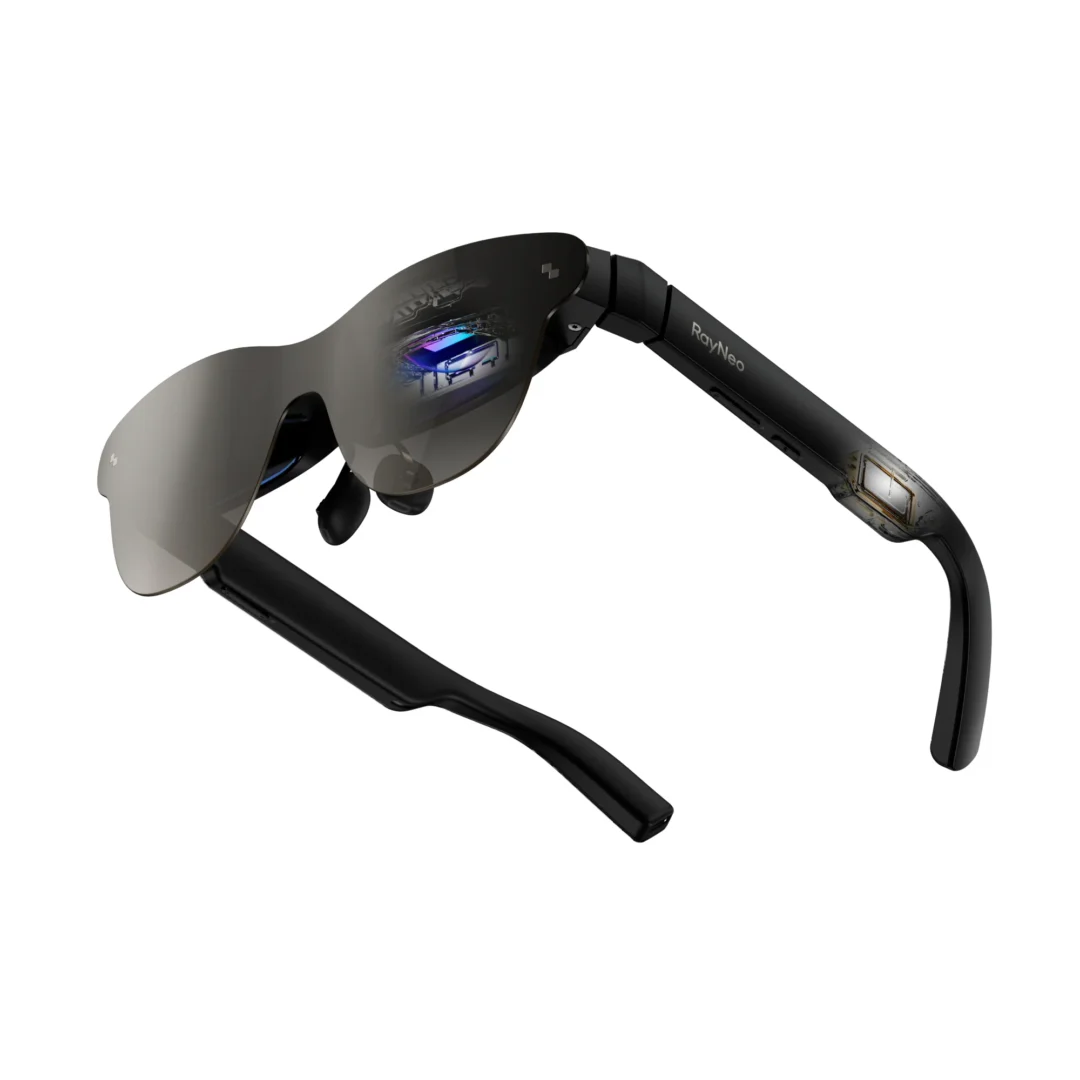

A few years ago, AR glasses felt like science fiction — tech demos, expensive enterprise kit, or a slick YouTube concept video. In 2026 that has finally changed. You can now walk into the online market in India and buy lightweight glasses that plug into your phone, laptop or console, or wear a pair of AI-powered smart glasses that shoot video and answer questions hands-free.
The catch: the label “AR glasses” now covers two completely different kinds of product. Some are wearable displays that float a giant virtual screen in front of your eyes. Others are AI-and-camera smart glasses with no display at all. Buying the wrong category is the single most common mistake we see, so this guide separates them clearly and tells you which is actually worth your money.
How we evaluate these: As a studio that develops AR/VR software, we assess glasses on the things that actually matter in daily use — display sharpness and eye comfort, real (not marketed) battery life, weight on the nose after an hour, phone/console compatibility in India, and price-to-value against what’s genuinely on sale on Amazon.in. Prices below are the latest we recorded and will move with sales.
Not sure which one to pick? Jump to our quick comparison table, or if you’re already leaning toward Meta, read our full Ray-Ban Meta review and our breakdown of why Meta launched its own smart glasses. We also cover the best AR gamesyou can play on these devices.
| Product | Price (Amazon.in) | Best for | Display | Buy |
|---|---|---|---|---|
| Ray-Ban Meta Gen 2 | ₹45,700 | Creators, daily wear | No display (AI + camera) | Amazon |
| Ray-Ban Meta Gen 1 | ₹24,075 | Budget Meta entry | No display (AI + camera) | Amazon |
| RayNeo Air 2s | ₹40,824 | First-time AR buyers | 201″ FHD OLED 120Hz | Amazon |
| Rokid Joy Pack | ₹53,599 | Travel, cinema | 360″ Micro-OLED | Amazon |
| Oakley Meta Vanguard | ₹52,300 | Sports, outdoor | No display (AI + camera) | Amazon |
| Oakley Meta HSTN | ₹41,800 | Streetwear, casual | No display (AI + camera) | Amazon |
Two-second rule: If you want to see a screen — movies, gaming, a second monitor — buy display glasses (RayNeo, Rokid, XREAL). If you want to capture the world and talk to an AI — buy Meta smart glasses.
These look like ordinary sunglasses. There’s no screen in your vision — instead you get a camera, open-ear speakers and a voice assistant. Great for creators and hands-free capture; not the pick if you were hoping to watch a film.
The Gen 2 is the pair we’d hand most people who just want good smart glasses that don’t shout “gadget.” It keeps the Wayfarer shape but upgrades the two things that mattered on Gen 1: the camera jumps to 3K Ultra HD video off a 12 MP ultra-wide sensor, and battery life roughly doubles, so a day of intermittent recording and Meta AI queries no longer leaves you flat by evening. The open-ear audio is loud enough for calls and podcasts on a quiet street, though it thins out in traffic.
Where it shines is POV content — Reels, Shorts and hands-free vlogging where lifting a phone would break the moment. Where it doesn’t: there is no display, so anyone expecting floating screens or navigation overlays will be disappointed. For the full breakdown see our dedicated Ray-Ban Meta review.
Best for: content creators · POV Reels/Shorts · everyday AI assistant · hands-free calls and music Skip if you want:movies · gaming · any on-lens visuals
₹45,700 on Amazon

The original is now the value play. Same iconic frame, same core trio — camera, open-ear speakers, voice control — but at nearly half the Gen 2 price. You give up the higher-res camera and the longer battery, and that’s genuinely it. If you’re just AR-curious and don’t want to spend ₹45,000+ to find out whether smart glasses fit your life, this is the sensible entry point. Curious how Meta ended up dominating this category? We explain it in Meta launches its own smart glasses.
Best for: first Meta pair · budget buyers · testing the concept Skip if you want: the best camera quality · all-day battery
₹24,075 on Amazon

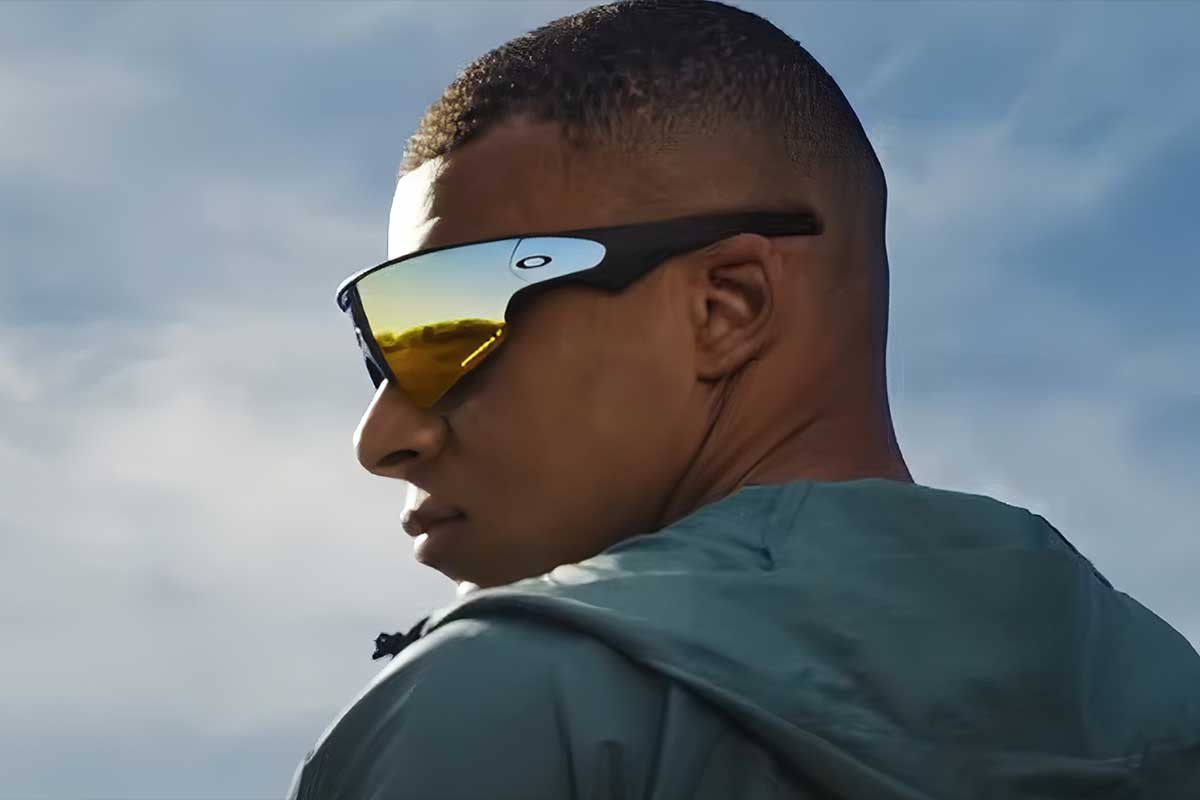
Same Meta brain, a very different body. The Vanguard is built on Oakley’s wraparound sports frame, so it stays put while you run, cycle or climb — the scenario where a Wayfarer would slide off your face. You get the identical AI and camera stack, tuned for capturing motion outdoors. If your smart glasses need to survive a trail or a gym rather than a café, this is the one.
Best for: running · cycling · hiking · active outdoor capture Skip if you want: a subtle everyday look · indoor-only use
₹52,300 on Amazon

The HSTN is the fashion-forward option — a bolder, chunkier silhouette for people who want the glasses to be part of the outfit rather than disappear on the face. Functionally it’s the same Meta package (camera, speakers, Meta AI), so the choice here is purely about style and fit. Pick it if the Wayfarer feels too safe and you want streetwear energy.
Best for: streetwear looks · standing out · casual daily wear Skip if you want: a low-key frame · sports stability
₹41,800 on Amazon
These put a big, private screen in front of your eyes by plugging into a phone, laptop, Steam Deck or console over USB-C. No camera, no AI assistant — the whole point is the picture. Note that most of these need correction built in if you wear glasses; see our note on prescription lenses for smart glasses before you buy.
This is the pair we point first-time buyers toward. The RayNeo Air 2s hits the sweet spot of price and picture: a sharp FHD Micro-OLED panel that simulates a 201″ screen at 120Hz, bright enough (rated 5000 nits at the panel) to stay watchable, with four speakers that are surprisingly usable without earbuds. It plugs straight into an iPhone 15/16, most USB-C Androids, a Steam Deck or a laptop with no dock or battery pack to babysit.
It won’t replace a proper multi-monitor desk setup — there’s no positional tracking, so the screen follows your head — but as a travel cinema and casual gaming screen for the money, nothing else is this easy to recommend.
Best for: first-time AR buyers · budget virtual screen · movies and casual gaming on the go Skip if you want: anchored multi-window productivity · premium XR workflows
₹40,824 on Amazon

The Rokid Joy Pack is the travel-cinema specialist. What sets it apart from the RayNeo is the bundled Android TV “Station” host: it runs Google Play, Netflix and cloud gaming on its own, so you can watch a downloaded film on a flight without draining your phone or fiddling with cables. The Micro-OLED panel scales up to a huge 360″ virtual screen, and it plays nicely with consoles, Android, iOS and Windows.
That independence is also the trade-off — you’re carrying and charging a second little box. But for long-haul travel and back-to-back binge sessions, it’s the most self-sufficient option here.
Best for: flights and trains · long movie sessions · standalone streaming and cloud gaming Skip if you want: the lightest possible kit · serious desktop productivity
₹53,599 on Amazon
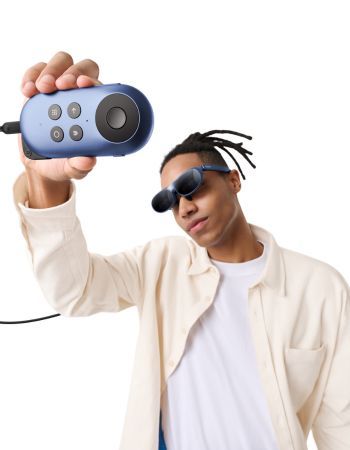
If you want display glasses to do real work, the XREAL One is the pick. Its standout feature is the built-in X1 chip, which anchors the virtual screen in space (3DoF) so it stays put when you turn your head — the thing that makes these usable as an actual laptop monitor rather than a movie screen strapped to your face. That’s why it’s the class of glasses developers and Steam Deck players gravitate to.
We put it through a full workday as a portable monitor replacement — read the results in our XREAL One Pro work monitor review before deciding. Short version: it’s the closest thing to a true wearable desktop display currently sold in India.
Best for: laptop/Steam Deck productivity · developers · immersive gaming · portable monitor replacement Skip if you want: everyday outdoor fashion wear · a camera or AI assistant
₹53,599 on Amazon

Working on brand or marketing use rather than personal? AR is moving fast on the campaign side too — see our guide to AR filters for brands.
For display-based AR (movies, gaming, productivity), the RayNeo Air 2s at ₹40,824 offers the best value. For AI-powered smart glasses for daily use, the Ray-Ban Meta Gen 2 at ₹45,700 is the top pick. If budget is a concern, the Ray-Ban Meta Gen 1 at ₹24,075 is the most affordable entry point.
Smart glasses (like Ray-Ban Meta) add features like a camera, speakers, and AI voice assistant to normal-looking frames — but you don’t see any digital content overlaid on the world. True AR glasses (like XREAL, RayNeo, Rokid) project a virtual screen in front of your eyes, letting you watch movies, work, or game on a floating display.
Yes. Several AR glasses are available on Amazon.in — including RayNeo Air 2s, Rokid Joy Pack, Ray-Ban Meta Gen 1 and Gen 2, and Oakley Meta variants. Prices range from ₹24,000 to ₹54,000.
Yes — RayNeo Air 2s and Rokid Joy Pack both work with Android phones, PCs, and gaming consoles. They’re popular with Steam Deck users as a portable monitor replacement. Read our guide on AR games you can play in 2026 for more.
If you’re a content creator or want hands-free AI — yes, Ray-Ban Meta is worth it. If you want a portable cinema screen for travel — yes, Rokid or RayNeo deliver. If you’re expecting full holographic AR like Iron Man — not yet. Current AR glasses are wearable displays, not sci-fi holograms.

© 2025 Twin Reality Technologies
All rights reserved.